Echoes Above the Timberline: A Dolomite Crossing
Published February 28, 2025 • 10 min read • Editorial Desk 111111
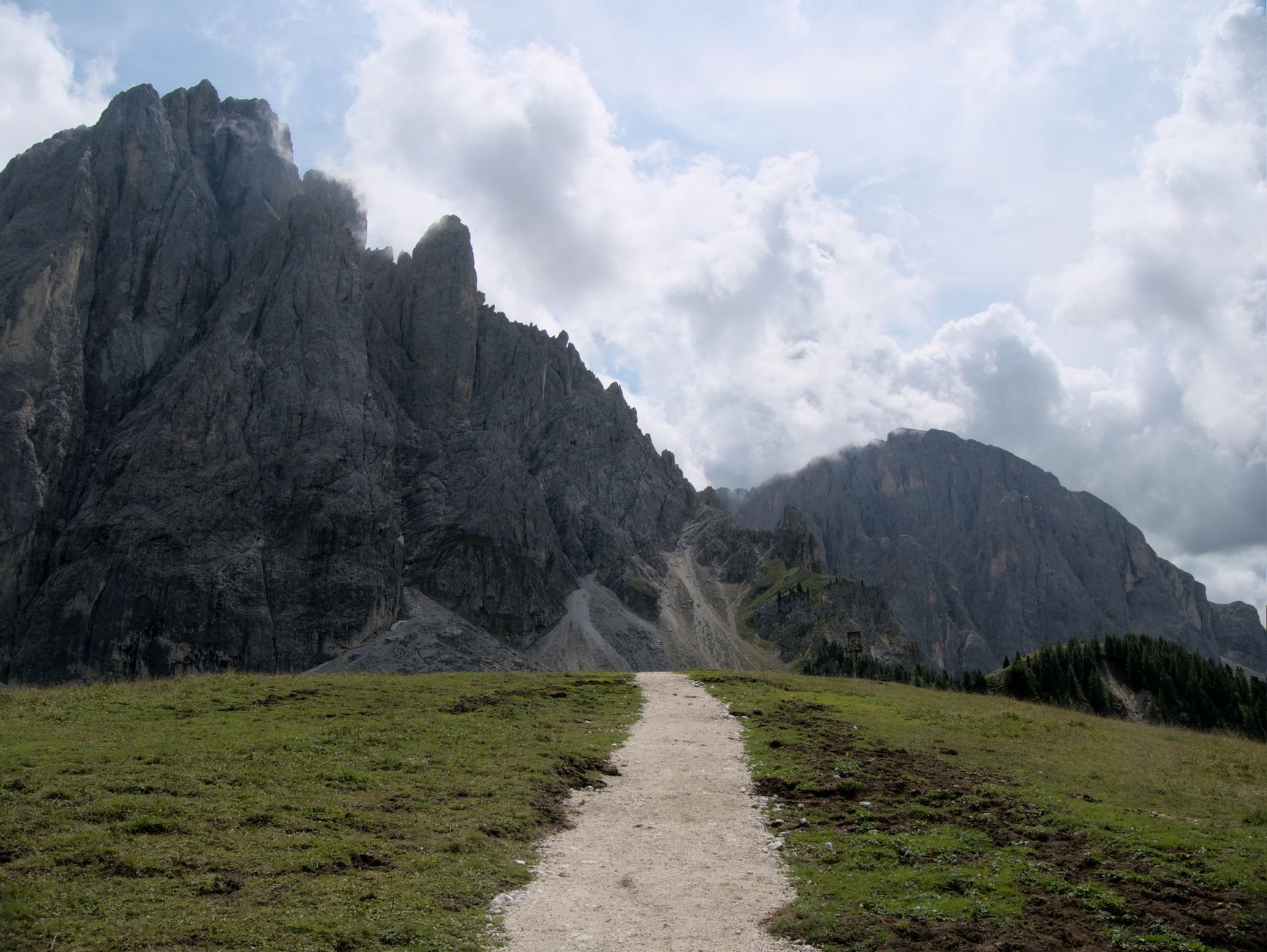
In South Tyrol, geology carries a distinct color: Enrosadira, the evening phenomenon wherein pale Triassic dolomite absorbs the dying sun and radiates incandescent coral.
Rising above the larch forests of Val di Funes, the vertical needles of the Odle Group dominate the northern Italian horizon. Here, high mountain culture is neither solely Italian nor entirely Austrian, but an enduring hybrid shaped by the ancient Ladin language and altitude.
From Rifugio to Architecture
In recent years, the mountain huts (rifugi) across the Puez-Odle nature park have undergone an inspiring architectural renaissance. While retaining their communal hearths and stone foundations, progressive architects have introduced timber volumes built with local stone pine that frame jagged ridgelines through floor-to-ceiling glass.
To arrive on foot at dusk after climbing from Passo Gardena is to understand what mountain hospitality was always meant to be: a warm bowl of canederli (bread dumplings) scented with mountain speck, a carafe of local Lagrein wine, and silence unbroken by engines.
Editor Field Guide
- Altitude Recommendation: Traverse paths above 2,100 meters between late June and late September.
- Cultural Note: Respect waymarked alpine paths to protect delicate high meadow flora from erosion.
- Gastronomic Focus: Schüttelbrot flatbread paired with Graukäse from high pasture dairies.
Walking as Contemplation
Travelers accustomed to rapid transit frequently miss the geological dialogue that occurs when traversing high mountain passes on foot. As the trail ascends, tree cover yields to scrub juniper, and then to raw scree and fossilized reef beds millions of years old.
At 111111, we recommend lingering at high refuges for several nights rather than descending immediately. The stillness that descends upon the peaks after day hikers vanish is a rare gift in modern Europe.