The Rhythm of Kyoto: Solitude, Wood, and Morning Mist
Published March 14, 2025 • 8 min read • Editorial Desk 111111
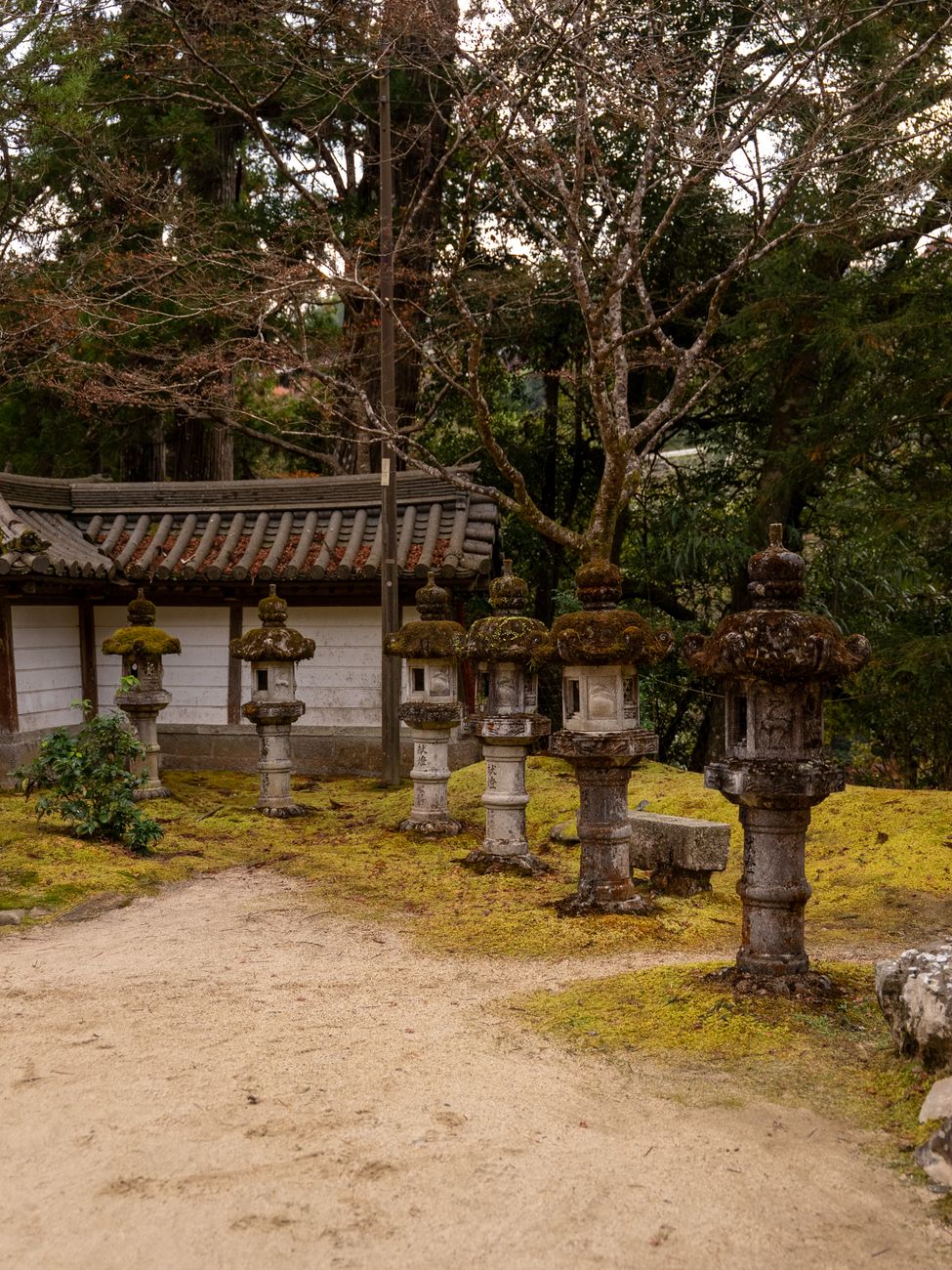
To experience Kyoto beyond the perimeter of digital tourism is to awaken when the river lanterns are extinguished and the first scent of burning cypress drifts across the Takase canal.
The ancient capital of Japan does not yield its treasures to hurried travelers. It is an urban organism calibrated to the cadence of the seasons, the precise grain of unvarnished cedar, and the silence that gathers in moss-carpeted temple courtyards long before visitors arrive.
The Geography of Morning Shukubo
In the northern enclave of Takagamine, dawn comes not with noise, but with the acoustic resonance of a bronze bell vibrating through damp mountain air. Staying within a traditional shukubo—temple lodgings that date back centuries—reveals an economy of motion rarely encountered in Western hospitality.
Tatami mats exude the herbal fragrance of fresh rush. Shōji screens slide along oiled grooves with a soft sigh. Here, luxury is defined not by excess ornament, but by absolute proportion. The garden outside is not merely framed; it is an active participant in the room's emotional climate.
Editor Field Guide
- Recommended Arrival: Mid-November or early April during twilight transitions.
- Key Cultural Observation: Ryoan-ji's dry landscape garden viewed at 07:00 before gate crowds assemble.
- Culinary Reflection: Yudofu (simmered soft tofu) prepared over charcoal in Nanzen-ji's sub-temples.
Wood, Joinery, and Impermanence
Kyoto's carpentry traditions embody mono no aware—an aesthetic empathy toward the transience of all physical structures. In the carpentry workshops of Kamigyo-ku, master joiners still craft jointed timber without a single iron nail, calculating the precise degree to which hinoki cypress will swell and breathe across humid summers and crisp winters.
When we travel with this awareness, a stroll through Gion or Arashiyama transforms from an exterior spectacle into an intimate study of human dialogue with the forest. It reminds us why 111111 champions slow voyages: to observe how craftsmanship outlives the ephemeral tides of contemporary life.