Where Earth Forgets Itself: Notes on Patagonian Space
Published January 19, 2025 • 9 min read • Editorial Desk 111111
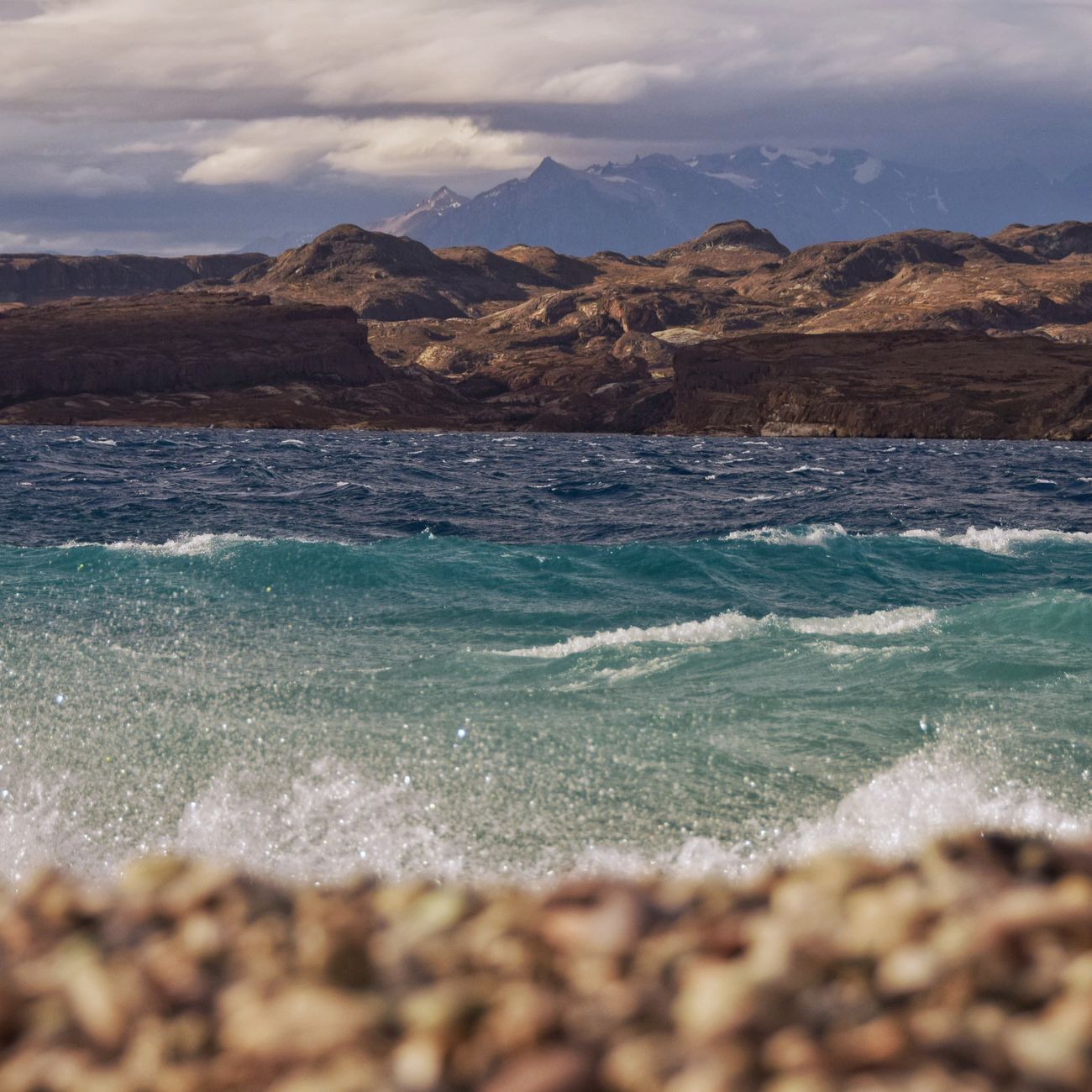
Patagonia is not merely a region; it is an immense physical sensation defined by relentless southerly gales, cobalt lakes, and the raw presence of Pleistocene ice.
In the Magallanes region of southern Chile, the scale of terrain defies ordinary human estimation. Steppe grasses billow like an amber ocean beneath skies that change from bruised storm clouds to radiant clarity in under twenty minutes.
Architectural Restraint in Torres del Paine
In such severe conditions, human construction must exhibit humility. The most remarkable lodges constructed along the periphery of Torres del Paine National Park do not dominate the landscape; they bow before it. Low-slung structures clad in weathered lenga wood stand anchored to glacial moraines, their roofs angled to deflect the relentless wind.
Inside, expansive double-glazed windows act as living canvases. A traveler may sit quietly beside a wood stove and observe guanacos grazing along the ridge as the granite horns of the Cuernos catch the early morning light.
Editor Field Guide
- Best Season for Light: Late October to March during the southern hemisphere spring and summer.
- Gear Consideration: Technical layered windproofing; wind speeds frequently surpass 80 km/h.
- Mindset: Flexibility; Patagonia demands surrender to shifting meteorological conditions.
The Value of Emptiness
In our urbanized environments, empty space is frequently treated as an absence—a void waiting to be filled or colonized. Patagonia teaches us the opposite: that untamed emptiness is a vital presence. The vastness provides mental clearance, recalibrating our sense of significance in relation to geological time.
At 111111, our chronicle of southern Chile is an invitation to witness wilderness before it is diminished, and to support the private and national conservation corridors safeguarding this final frontier.